Nigeria is the largest oil producer in Africa and is fifth in the Organization of Petroleum Exporting Countries (OPEC). It has completely transformed Nigeria’s economy and has become most of its foreign exchange and federal revenue. However, the majority of Nigeria still remains in poverty and only a small fraction of the country has prospered from the rise of oil. Corruption and malpractice play large factors in continuing the uneven wealth distribution and the small number of elites with the majority of Nigeria’s money (Manby). The country has only been under civilian rule for the past ten years, and are demanding “that new states and local government units be carved out to fulfill their hopes of receiving some benefit from the oil money and to compensate for the damage done by oil production (Manby).” Little is being done as the government has been coated in corruption (Manby).
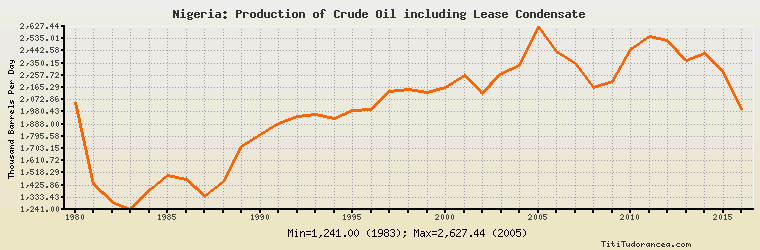
Commercial oil in Nigeria was discovered in 1956 and are mostly found in “small fields in the coastal areas of the Niger Delta (Manby).” About two million barrels are produced per day and approximately sixteen to twenty-two billion barrels are expected to be produced from all of Nigeria’s reserves. International oil company Shell produces about half of Nigeria’s crude oil. Other companies that are less involved include Mobil, Chevron, Elf, Agip, and Texaco. Shell is most notorious as it produces the most oil and has had the most negative impacts on the environment and the people of Nigeria (Manby).
Oil production has been devastating to the environment, particularly to the Mangrove forest which covers 6,000 square miles of the 20,000 square miles of land that is the Niger Delta. Mangrove trees are currently being threatened with extinction and are home to a diverse range of species. They provide a unique habitat for which many species rely on to survive making them a keystone species. Oil companies claim that they are conducting their activities with the “highest environmental standards” yet they remain dishonest and continue to get away with it since Nigerian environmental laws are poorly enforced (Manby).
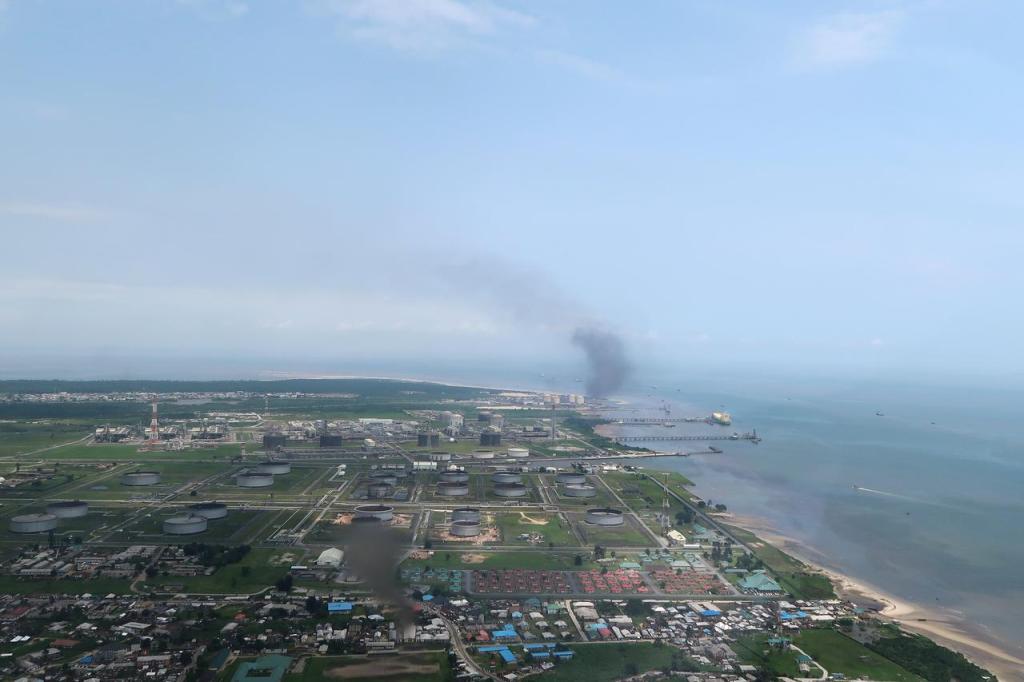
Oil spills have disastrous consequences concerning marine life, agricultural crops, and clean water (Manby). Between 1976 and 1991, 2,976 separate oil spills occurred in only Ogoniland, resulting in over two million barrels of oil released into the environment (A Journey Through the Oil Spills of Ogoniland). One significant oil spill occurred in October 2008 in Ogoniland, Nigeria, affecting many communities on the coast including Bomu, Bodo, and Goi. A Shell pipeline cracked open, but Shell officials were slow to respond. After two weeks of crude oil consistently pouring out of the cracked pipe, 14,000 tonnes of oil had seeped into the soil. The river where the Bomu community had fished and drank from was heavily contaminated along with the soil in farms nearby. Many fishermen were drastically affected and had no way to accrue money to feed themselves or to send their children to school. For many months after the spill, there were no fish to be caught and the mangrove forests died, displacing periwinkles, shellfish, and oysters that villagers used to rely on (Lawal). This is only one example of the numerous oil spills that have plagued Nigeria since the production of oil in the 1900s. Many spills have had similar, if not worse impacts on the environment and lives of the people living in Nigeria.
 Nigerian Activists Against Shell Corporation