Activism in Nigeria has increased and begun to prosper in recent years. During the late 1900s, a “well-known Nigerian author and television producer,” lead an impactful movement called the Movement for the Survival of Ogoni People (MOSOP) (Ken Saro-Wiwa). This organization aimed to defend the rights of citizens of the Niger Delta.
Since the beginning of oil extraction in Ogoniland, about $30 million worth of oil has been extracted and 5,000 Nigerian jobs became available. The Ogoni people received little of the profits and about 2% of the jobs. The environment they lived in became thoroughly contaminated. The movement in response to this was a peaceful one, yet led to a devastating outcome (Ken Saro-Wiwa). After many protests, Shell was forced to cease oil production in the area, and the government was furious as it threatened “the entire existing political system (Manby).” In May of 1994, Saro-Wiwa was taken from his home and imprisoned with several other MOSOP leaders and was accused of murdering four Ogoni leaders. He was considered a prisoner of conscience by Amnesty International, meaning his religious and political views were not tolerated by the government (Ken Saro-Wiwa). On November 10, 1995, Saro-Wiwa alongside eight other environmental activists were hanged for the murders of the Ogoni leaders. The tribunal clearly “violated international standards of due process and produced no credible evidence that he or the others were involved in the killings for which they were convicted (Manby).” Since this occurred, Nigerians in this area have been attempting to receive compensation for the destruction of land and the deaths of Ken Saro-Wiwa and the eight other environmental activists (Manby).
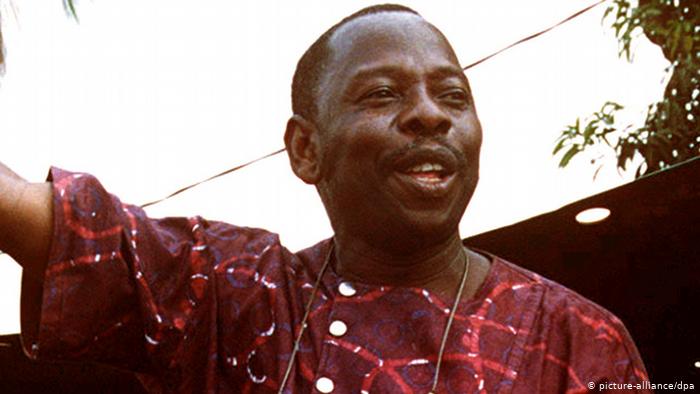
In June 2009, Shell agreed to settle the case with Ken Saro-Wiwa for $15.5 million, although they claimed that they had nothing to do with the injustice of the case. Shell was accused of involving the military governments that hanged Saro-Wiwa so that the well-known critic would be silenced. They were also accused of paying off soldiers to carry out “human rights abuses in the impoverished region where [Shell] operated (Mouawad).” There is still much turmoil in the area today relating to the damage caused by Shell. Although there are no environmental movements in the area that live up to Saro-Wiwa’s MOSOP, many people are still working to fight international oil companies.
Many environmental activists and groups are youths who have grown up in these polluted areas and seek a drastic change in the horrific conditions they are facing. Young activist Fyneface Dumnamene was greatly inspired by Ken Saro-Wiwa’s work and is now fighting to accomplish the same goal as a part of the Youths and Environmental Advocacy Centre. He has experienced the pollution first-hand and understands that the oil in the Niger Delta and all of Nigeria must be removed for the safety of the people and the environment. He is encouraging Shell to do more as they have only cleaned up oil in Bodo, yet have left the rest of the affected areas in Nigeria polluted. Fyneface desires to pass a law that will guarantee “stronger regulation of the oil industry,” and for people to “benefit from local oil projects (Amnesty International).”
Legborsi Yamaabana, a born and raised Ogoni resident, is another activist who has grown up experiencing the drastic and devastating changes Shell has brought upon the land. As a child, Yamaabana enjoyed fresh water from nearby creeks and was able to grow fresh food on the land. Years later, the water became heavily polluted and filled with carcinogens and the land became unfit for harvest. As president of the Ogoni Youth Federation, Yamaabana has fought against corruption in government cleanup projects such as the Hydrocarbon Pollution Remediation Project (HYPREP) which uses a United Nations Environment Program (UNEP) report as a guideline. He is accusing HYPREP of “‘cutting corners’ by dumping contaminated soil in wells instead of following the recommendations of the UNEP report (Oduah).”
There are several of these smaller youth organizations that work to fight against injustices and corruption regarding Shell’s activities and the government. Many Nigerians have joined the fight for the basic rights they deserve such as clean drinking water and a pollution-free environment. Alongside local activist groups, there are global organizations such as Friends of the Earth International that partake in environmental activism around the world. They aim to achieve their goals through empowering local people and through the support of others who are passionate about such injustices. You can learn more about environmental activism and how you can help Friends of the Earth Nigeria at this website: https://www.foei.org/
 Nigerian Activists Against Shell Corporation